Showing posts with label Water. Show all posts

Toxic Tide: Oil Wastewater Spills & Oklahoma's Regulatory Fail

toxic oil water

Toxic Wastewater From Oil Fields Keeps Pouring Out of the Ground. Oklahoma Regulators Failed to Stop It.

Ticking Time Bombs: What Risk Do Abandoned Oil and Gas Wells Pose?

The vast landscapes of oil and gas extraction sites are often pockmarked with the remnants of the industry's past—abandoned wells. These wells, once bustling with activity, now lie dormant and forgotten, posing significant environmental and public health risks. As the world shifts towards renewable energy, addressing the legacy of abandoned oil and gas wells has become an urgent and critical issue.

The Scope of the Problem 

Unveiling the Connection: How Oil and Gas Drilling Releases Radon

Introduction: In the realm of energy production, oil and gas drilling stand as pivotal sources, fueling economies and powering societies worldwide. However, amidst their benefits, these processes harbor hidden dangers, one of which is the release of radon gas. Radon, a naturally occurring radioactive gas, has gained attention due to its detrimental health effects, including an increased risk of lung cancer. Understanding how oil and gas drilling activities contribute to radon release is crucial for mitigating its impact on both the environment and human health.  

The Impact of Using 13 Million Gallons of Water per Oil Well

Oil and gas drilling operations have long been associated with concerns over their potential impact on groundwater resources. While the extraction of fossil fuels is essential for meeting global energy demands, it often occurs in close proximity to underground water sources, raising questions about the interplay between these two vital resources. Let's delve into the complex relationship between oil and gas drilling and groundwater. 
Keeping the Flow Fresh: A Guide to Cleaning Water Pipes in Homes

Clean water is essential for our health and well-being, and ensuring that the pipes delivering water to our homes remain clean is crucial. Over time, various factors can lead to the accumulation of sediment, minerals, and even bacteria in water pipes. Regular maintenance and cleaning help to ensure the continued delivery of safe and high-quality water. So, how are water pipes cleaned, and how often should it be done?

Understanding the Need for Cleaning

Managing Radioactive Waste from Oil and Gas Drilling: A Critical Environmental Concern

Introduction: The extraction of oil and gas, vital to meeting global energy demands, presents environmental challenges, including the generation of radioactive waste materials. Understanding and effectively managing these waste products are crucial for safeguarding both public health and the environment.

Is Expensive Water Actually Worth It? Debunking the Hype and Finding the Truth


Water, the elixir of life, is essential for our well-being and survival. In recent years, the market has seen a surge in the popularity of expensive bottled water brands, promising superior quality and a host of health benefits. However, the question that arises is whether these pricey alternatives are genuinely worth the investment or just clever marketing gimmicks. In this article, we'll explore the factors to consider when evaluating the value of expensive water and help you make an informed decision about the water you choose to consume.

Which water is best to drink?

How To Find Wastewater Fracking Ponds Using Satellite Images

Wastewater Fracking Ponds

How To Find Waste Water Fracking Ponds Using Satellite Images

Is it Safe to Live Near Fracking?

Porter Ranch Gas Leak Map

The safety of living near fracking (hydraulic fracturing) operations is a complex and debated topic. While fracking has been widely used to extract natural gas and oil, there are concerns regarding potential risks to human health and the environment. 

7 Tips to Ensure Safe Water for Your Home

water poured into glass

As citizens of a superpowered, first-world nation like the United States, we often pay little attention to basic amenities that are a miracle for other less-fortunate nations. One such thing is water. The labor spent behind getting water from the reservoir to your glass is extensive and follows rigorous standards.

However, even the strongest systems aren’t immune to problems. Nonetheless, there are still things within your control that can contribute to safe drinking water. We have compiled some handy tips to guide you through this.

Understanding Water Pollution

The extent of pollution in water is so insidious that we are paying our water bills to consume poison. The issue stems from the fact that pollutants are difficult to remove from our water supply. As they become diluted, it renders water quality tests inaccurate. This presents a danger to the public as pollutants are still present, albeit in lower concentrations. 

Your water supply could also play a role in determining the pollutants contaminating the water. For instance, groundwater wells become contaminated by poorly maintained landfills and underground storage tanks. 

Even pesticides, oil, chemicals, and airborne pollutants that contaminate surface waters like lakes and rivers can find their way into groundwater. 

Assess Your Water Source 

Your water source will often vary depending on your state and where you live. However, throughout most of the US, a combination of reservoirs like springs, lakes, rainfall, and underwater tables make up most of the supply sources for the average household. 

A small percentage in rural areas or without municipal water supplies receive water from the community or privately owned groundwater wells. 

Knowing this is important to find out the ideal method for water purification. You can contact your local council to answer your queries about possible contaminants and their health risks in the municipal water supply. This will help you decide on an action plan as well as gather people from your community to demand access to clean and safe water. 

Maintaining Water Quality at Home 

This again brings into question your water source. Tap water sourced from the municipality is ideally safe to drink. The Consumer Confidence Report, which summarizes water quality, is released annually to inform you about any impurities that may be present. 

On the flip side, the equation changes for those dependent on groundwater wells. If the wells are privately owned, make sure that a reliable company is responsible for drilling water wells and pump repairs as these stages are the first possible points of water contamination. You will also need to hire a professional privately to verify water quality. 

Other measures include maintenance of the plumbing and installation of water purification equipment. It must be stressed that these approaches are the bare minimum to ensure that you have access to safe drinking water. 

Have Your Water Tested 

This is especially important if you get your water sourced privately as public health agencies aren't responsible for their quality control. Even groundwater wells, usually thought to be pure, can be unsafe for consumption. Furthermore, if you live in an old house with lead pipes, your water is likely to be contaminated with lead and dangerous for drinking. 

Water tests will give you an accurate estimation of the number of contaminants. This includes determining the presence of bacteria, arsenic, and other chemicals. 

Depending on the complexity of the test, you expect to spend anywhere from fifty to several hundred dollars. Nevertheless, these costs mitigate the long-term risks of drinking contaminated water. Keep in mind that nothing is worth more than your health and that of your loved ones. 

Install a Filter 

With the advent of modern technology, there are currently numerous methods to ensure safe drinking water. If the quality control tests have come out clean, you can enjoy your tap water as it is. However, for households with young children, elderly or immunocompromised members, water filters are a wise addition. 

Following a water test that reveals the presence of contaminants, it is best to purify your water before use. There are multiple types of filters available. 

One such filter is the point-of-entry filter that removes rust, sediment, metals, and chemicals before the water enters your home. An alternate option is a point-of-use filter, which will purify the water before you use it. For large-scale water purification, you can choose to use an under-sink purifier. 

Before you select a filter, determine the contaminants that you want to filter out based on your water quality report as well as your budget. The two most common ways filters work are reverse osmosis and activated carbon 

Activated carbon works by removing chlorine and metals like copper, mercury, and zinc, in addition to sediment. However, you will have to change the filters often. Reverse osmosis also filters out sodium, calcium, potassium, fluoride, and even lead. 

A multi-barrier approach is the most recommended method of water purification as the water undergoes a multi-step process before reaching your glass. This is ideal for households with a water source on their property. This combines the process of sedimentation, chemical sterilization, and filtration followed by storage. 

Plumbing Maintenance 

It is good to familiarize yourself with the common types of pipes available to better understand whether plumbing is affecting your water supply. 

PEX (Cross-linked Polyethylene)- A popular choice among residential buildings given their reasonable price, ease of use, and compatibility with both hot and cold water. 

PVC (Polyvinyl Chloride) - The most popular pipe on the market and the cheapest. However, it is only equipped for cold water as the hot water can erode the plastic. 

CPVC (Chlorinated Polyvinyl Chloride)- Similar to PVC pipes; however, these can handle both cold and hot water. 

Galvanized metal- Homes built before the '70s without major renovations are likely to be made of galvanized iron or even steel. 

Copper- An expensive material easily recognized by the characteristic color, it is more likely to be in old homes rather than newer ones. 

Despite these pipe materials being common, most residents are more concerned about the presence of lead in their pipes. Fortunately, most modern homes no longer use lead pipes. But there are some exceptions to this. 

Supply pipes that bring municipal water from the large pipes underground to your house are made of lead. In addition, metal pipes in houses before 1986 are highly likely to have lead in the solder which joins them. 

In order to reaffirm any suspicions that you may have regarding the presence of lead, seek help from a licensed plumber and request an inspection. If it reveals lead in your pipes, you will have to go for repiping your house.

Until you replace your pipes, here are a few tips to reduce the lead in your water and avoid consumption: 

  1. Turn on your cold tap to run off all the water that has collected overnight since this contains the most amount of lead. A sinkful should be adequate. Reuse that water for your plants instead.
  2. Drink bottled water.
  3. Flush your toilet, which has the same effect as the running tap.
  4. Avoid shaking or damaging the lead pipes as this causes more lead to mix into the water. 

Irrespective of the presence of lead, an annual inspection will reveal any issues with plumbing such as leaks, broken fixtures, corrosion, etc. as well as give you the advice to correct them. This will save you from more expensive renovations if such defects were hidden.

Water Use in Your House 

The way water is used in your house is another factor that plays into water pollution. You can contribute to keeping your water supply clean and healthy. Here are some ways to achieve that: 

  1. Use organic and environment-friendly cleaning products. This includes soaps. Try your local-big box store to find them. Read product labels and avoid those containing triclosan, which is a cancer-causing chemical compound and also damages aquatic organisms.
  2. Synthetic pesticides and lawn treatment chemicals are also a source of pollution. Ask your lawn treatment company and exterminator for more eco-friendly options.
  3. Expired drugs and medicines aren’t only harmful to your body but also to water. Therefore, avoid dumping them down the drain. Instead, dispose of them safely through a designated government drug collection program.
  4. Your storm drains aren't designed to be used for motor oils, cleaning products, and other chemicals. 
These seemingly insignificant acts can lead to a snowball effect that can have devastating consequences on the environment.  Subsequently, think twice about what you are washing down the drain. 

Conclusion 

Despite countrywide efforts to ensure that tap water is suitable for consumption across all states of the US, there are still marginalized communities and rural areas that don’t have access to basic amenities like safe drinking water. 

Access to safe water is a basic human right, and we should all play our part to ensure that. Water quality maintenance can be a taxing process, but the results are worth the effort, especially in order to avoid long-term health risks. 

Map of Where Fracking Has Been Banned Heat Map

Map of Where Fracking Has Been Banned Heat Map

United States Heat Map of Where Fracking Has Been Banned

If you want to find these locations do a search on the DrillingMaps.com database for banned. 

Is Your Drinking Water Safe Due To Fracking Near You?

Is your drinking water toxic map

Past studies have shown that fracking chemicals could cause infertility, cancer, and birth defects.

How Fracking Wastewater Taint Fresh Water Nearby

How Fracking Wastewater Taint Fresh Water Nearby

A study by the U.S. Geological Survey appears to have answered a critical question about the millions of gallons of chemical-laced water that are injected into the wells to fracture rocks and release trapped gas. Is there any cause for concern when that water is stored later, whether in treatment facilities or special underground wells?

Is SoCalGas Fracking in Play Vista, CA Causing Earthquakes?

Playa Del Rey Earthquakes from So Cal Gas Fracking

Is So Cal Gas Fracking in Play Del Rey?


Southern California Gas Company (SoCalGas) operates a natural gas storage facility in Playa Vista, Los Angeles, California. The facility is known as the Playa del Rey Gas Storage Field or the Playa Vista Storage Facility.

The Playa Vista Storage Facility is an underground natural gas storage site located in the Playa Vista neighborhood of Los Angeles. It is an important part of SoCalGas' natural gas infrastructure and plays a role in maintaining a reliable supply of natural gas to customers in the region.

It's worth noting that in addition to the Playa Vista facility, SoCalGas operates several other natural gas storage facilities and compressor stations throughout Southern California to ensure the distribution and delivery of natural gas to consumers.

Given the significance of natural gas infrastructure and its potential impact on the environment, companies like SoCalGas are required to adhere to stringent safety and regulatory standards. They continuously monitor their facilities, pipelines, and compressor stations to prevent methane leaks and ensure the safe and reliable operation of their natural gas infrastructure.

For specific details or updates regarding the Playa Vista SoCalGas facility or any other natural gas infrastructure in the area, it's best to reach out to SoCalGas directly or consult regulatory authorities responsible for overseeing natural gas operations in California.

If you have specific concerns or questions about methane and SoCalGas operations in Playa Del Rey, I recommend reaching out to SoCalGas directly or consulting regulatory authorities for the most up-to-date and accurate information on the company's activities and safety measures in the area.

Rise of the Resistance Camps

Guest Blog Post by Erica Jacquinot 

I think it's pretty safe to say we’ve all heard about Standing Rock. If you haven’t, you should so Google it. For those that went to Standing Rock, they describe the experience as life-changing, spiritual, and heartbreaking all at the same time. Something I can personally attest to because that’s what I felt when I went. The feelings that Standing Rock invoked traveled across the country like a wave and sparked a new fire of resistance against the fossil fuel industry and protection of indigenous rights. Thousands upon thousands held rallies, protests, benefits, and marches all around the world. The outpouring of support was incredible, like nothing I’ve ever seen before. Something I don’t even think Standing Rock knew was that it was becoming the blueprint of how people were going to get serious about fighting the fossil fuel industry.

In February 2017 the camps at Standing Rock were evicted by the U.S. government. It was devastating to those that supported the cause. Some even think that Standing Rock is forever over and ended as a lost cause, but this couldn’t be further from the truth. As it stands right now there are 15 camps that have popped up in Standing Rocks image. To define for those of you who do not know what "these camps" are, they are a group of people living on a piece of property close to places where the fossil fuel industry is destroying the Earth. They fight through peaceful actions and prayer, they spread awareness about the problems of the fossil fuel industry. They are a community standing together against giants to protect air, land, and water. Five of the camps are in the UK fighting to frack, these camps are not on a property that anyone can come and stay on but they conduct themselves as a tight group, call themselves a camp and fight every day against the fossil fuel industry. Two camps are in Canada. These camps are indigenous-led camps fighting pipelines and fuel pump stations destroying their native waters and lands. The rest are in the U.S. taking the spirit of Standing Rock and using it to resist the destruction of the Earth by corporations. Most camps are native led and all camps have taken a stand against the fossil fuel industry. There’s even a camp about to start in a small village in Kenya, Africa. This is how far this resistance as reached.

There’s no sugarcoating this issue and I’d be lying if I didn’t say there were many who oppose these camps. But I think most would agree that if we had the option to use green fuel sources and they were the same price as dirty fuel sources we would probably use them. Maybe I give people the benefit of the doubt and I can’t speak for all but if you had the choice to use solar or wind power overpaying your electric company, I think you probably would. The problem is that these resources just aren’t available to us on a reasonable scale that consumers can actually utilize. And let’s get real, we’re talking about having civilizations on Mars, we can nuke an entire country from existence, we have technology that would blow the minds of most, YET we’re using an ancient practice of energy. Last I checked this isn’t the industrial revolution anymore. The answer is real simple, the oil and gas industry keeps the wealthy rich and the rest of us oppressed. And do not think for one second that this isn’t a form of oppression. To keep freedoms from people, basic human rights like a clean environment, giving us no choice but to be at the whim of their choices and pay our money for it. That’s oppression at its finest.

These camps stand for something. They stand for you, whether you believe in it or not. They stand for this Earth and the need for change. And change IS needed. Even if you’re one of those people that doesn’t believe in climate change, do you believe in pollution? Do you believe in clean water or air? Do you think animals shouldn’t suffer from drought and destruction? These are real questions you have to ask yourself and stop trying to jump on a side you’ve heard in a political campaign or on the news. You don’t have to believe 100% in the views of scientists or environmentalists to want water or food that isn't poisoned. But you do have to believe in something, and these camps are ground zero for that. They believe in the sense of community Standing Rock gave to us. A community that spans across the globe and says “Hey we exist, and we want to be free.” Free from toxic chemicals, polluted air, poisoned animals, and waters. We want to be free of the oppression of corporate greed. If this is your belief please support these camps, go and stay at them, start one yourself.  It’s my hope that these camps keep coming and continue to teach us what side we should be on.

How Much Water Does Texas Use for Oil & Gas Drilling?

Texas Map of Oil & Gas Drilling

Click on the map above and click on the blue pins.  Each blue is an oil or gas spill. 

Map of Lead Exposure in Schools & Daycares

Number of Times water supplied to school daycares tested for high levels of lead between 2012-2015 Read full article


States Map of Lead Contamination in Drinking Water


Since 2012, nearly 2,000 water systems across the U.S. have found elevated lead levels in tap water samples, a public health concern that requires them to notify customers and take action. Search or click the map to find systems in your area. The map table shows the state/name of the water system; the county it serves; the range of lead levels over 15 parts per billion in samples that triggered an action status, and total action-level tests over the period.

Utah's Fracking Waste Water Ponds

waste water fracking

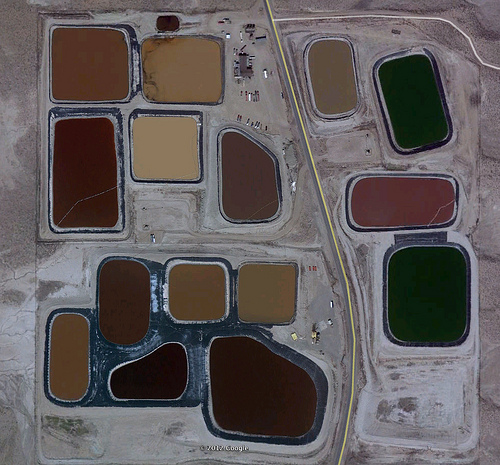
These pics are taken from Google Earth. Utah has been on a fracking frenzy and has recently gotten permits for at least 1,300 more wells near the Green River which flows into the Colorado River, which flows into recreational Lake Powell.